
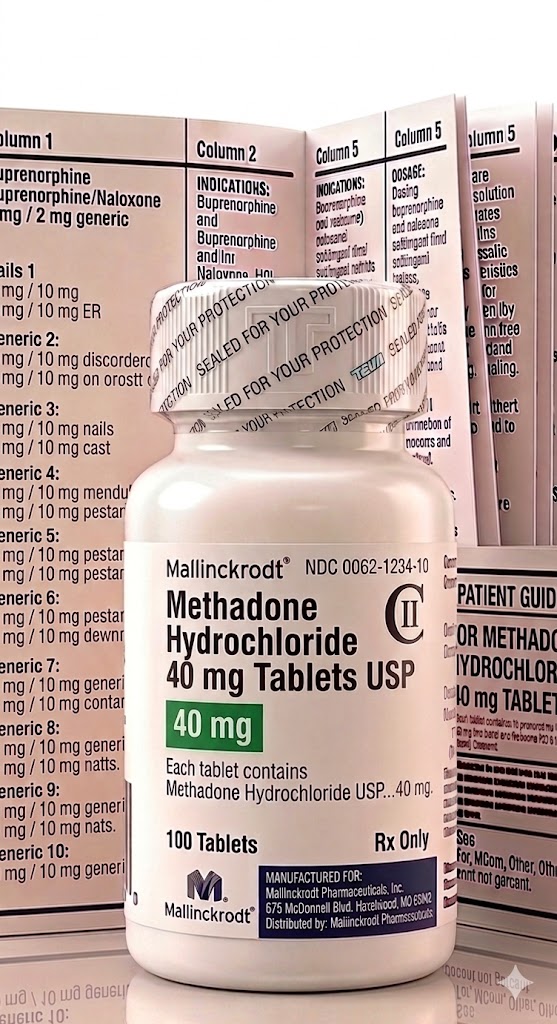
Complete Guide to Methadone for Opioid Dependence and Pain in Canada
Disclaimer: This information of Methadone 40 mg Tablets is for educational purposes only and is not a substitute for professional medical advice. Always consult a Canadian healthcare provider or pharmacist before starting, stopping, or changing any medication. Methadone is a controlled substance under the Controlled Drugs and Substances Act and must be prescribed and monitored by a qualified physician. Note that in Canada, methadone for opioid use disorder is most commonly dispensed as a liquid rather than tablets. Tablet strengths available in Canada typically include 1 mg, 5 mg, 10 mg, and 25 mg (e.g., Metadol or Apo-Methadone). A 40 mg tablet strength is not a standard marketed form in Canada for this indication.
Methadone is a long-acting full opioid agonist used in Canada both for the treatment of opioid use disorder (as opioid agonist therapy) and for the management of severe chronic pain. It has been a cornerstone of treatment for decades and is now considered a first-line option alongside buprenorphine/naloxone according to current Canadian guidelines.
This comprehensive guide explains what methadone is used for, how it works, proper dosing, side effects, interactions, warnings, alternatives, and practical Canadian considerations. The goal is to provide clear, accurate, and helpful information so Canadians can better understand this medication and discuss it confidently with their healthcare team.
WHAT IS METHADONE USED FOR?
Methadone is indicated in Canada for two main purposes:
- Substitution treatment (opioid agonist therapy) for adults with opioid use disorder.
- Relief of severe pain that cannot be adequately managed with other analgesics.
For opioid use disorder, methadone reduces withdrawal symptoms and cravings, allowing people to stabilize their lives, engage in counselling, and reduce the risk of overdose and infectious disease transmission. The Canadian Research Initiative in Substance Misuse (CRISM) 2024 guidelines recommend both methadone and buprenorphine as standard first-line treatments.
In Canada, methadone for opioid use disorder is almost always prepared and dispensed as a liquid (commonly Methadose 10 mg/mL cherry-flavoured or sugar-free, or Metadol-D). Tablets are more commonly associated with pain management. Daily witnessed ingestion at a pharmacy is standard during the early stages of treatment to ensure safety and prevent diversion.
HOW DOES METHADONE WORK?
Methadone is a full agonist at the mu-opioid receptor. It activates the same receptors as heroin, fentanyl, and other opioids, but it does so in a slower, longer-lasting way. This prevents withdrawal and reduces cravings without producing the intense “high” associated with short-acting opioids when taken as prescribed.
Methadone has a long and variable half-life (typically 8–59 hours, averaging around 24 hours). This allows once-daily dosing for most patients once stabilized. Because it accumulates in the body, dose increases must be made carefully and slowly to avoid toxicity.
Unlike buprenorphine (a partial agonist), methadone has no ceiling effect on respiratory depression. This means higher doses carry a greater risk of overdose, particularly during the first weeks of treatment or when combined with other sedatives.
METHADONE SIDE EFFECTS
Common side effects of methadone include:
- Constipation
- Drowsiness or sedation
- Nausea or vomiting
- Sweating
- Dry mouth
- Weight gain
- Reduced libido or sexual dysfunction
- Insomnia or sleep disturbances
More serious side effects can include:
- Respiratory depression (slowed or stopped breathing)
- QT interval prolongation (a heart rhythm change that can be serious)
- Low blood pressure
- Liver enzyme changes
- Severe constipation leading to bowel obstruction
- Hormonal changes (low testosterone)
Many side effects improve with time or dose adjustment. Constipation often requires ongoing management with diet, fluids, and laxatives. Patients should report persistent or severe symptoms to their prescriber.
METHADONE DOSAGE
Dosage of methadone is highly individualized and must be determined by a physician experienced in opioid agonist therapy or pain management.
For opioid use disorder (induction) Starting doses in Canada typically range from 5–40 mg depending on the patient’s opioid tolerance and risk factors. Current guidance supports higher starting doses (up to 30–40 mg) for individuals with very high tolerance (e.g., current fentanyl use and previous methadone experience) when the risk of toxicity is low. Dose increases are usually made every 3–5 days (or longer) in increments of 5–15 mg until a stable dose is reached.
Most patients stabilize between 60 mg and 120 mg daily, although some require higher or lower doses. There is no absolute maximum dose, but higher doses require careful monitoring.
For pain Dosing is usually lower and more frequent initially, then converted to a regular schedule. Tablets (when used) are taken orally with water.
Never adjust the dose without medical supervision. Because methadone accumulates, taking extra doses can lead to delayed and dangerous toxicity.
HOW TO TAKE METHADONE
For opioid use disorder in Canada, methadone is almost always provided as a liquid that is measured and often mixed with a beverage by the pharmacist. Patients usually drink the dose under pharmacy supervision during the early treatment period.
When tablets are prescribed (more common for pain), they are swallowed whole with water. Do not crush, chew, or dissolve tablets unless specifically instructed (some formulations are designed to be dispersed).
Consistency in timing is important. Take the medication at the same time each day. Store it securely and never share it with others.
METHADONE INTERACTIONS
Methadone has many important drug interactions. The most dangerous involve other central nervous system depressants:
- Alcohol
- Benzodiazepines
- Other opioids
- Sedatives, sleeping pills, and certain muscle relaxants
- Gabapentinoids
These combinations greatly increase the risk of sedation, respiratory depression, and death.
Other significant interactions include:
- Medications that prolong the QT interval
- CYP3A4 inhibitors or inducers (e.g., certain antifungals, antibiotics, anticonvulsants, HIV medications)
- Some antidepressants
Always provide a complete list of all medications, including over-the-counter products and substances, to the prescribing physician and pharmacist.
METHADONE WARNINGS
Important warnings include:
- High risk of overdose, especially during the first month of treatment and when doses are increased.
- Risk of QT prolongation and serious heart rhythm problems.
- Potential for severe respiratory depression.
- Risk of dependence and withdrawal if stopped suddenly.
- Increased risk when combined with alcohol or sedatives.
- Caution in patients with liver disease, respiratory disease, or heart conditions.
- Not recommended for acute or mild pain.
Patients should have naloxone available and know how to use it. Regular medical follow-up, including electrocardiograms in some cases, is part of safe treatment.
METHADONE ALTERNATIVES
Evidence-based alternatives for opioid use disorder in Canada include:
- Buprenorphine/naloxone (Suboxone or generic) — often preferred for its safety profile and take-home flexibility.
- Slow-release oral morphine (Kadian) — a second-line option.
- Extended-release injectable buprenorphine (Sublocade).
- In specialized settings, injectable opioid agonist treatment.
For pain, alternatives include other long-acting opioids, non-opioid medications, and multimodal pain management approaches.
The choice depends on individual factors, previous response, lifestyle, and safety considerations. CRISM guidelines support shared decision-making between patient and provider.
METHADONE VS. OTHER OPIOIDS
Compared with buprenorphine/naloxone:
- Methadone is a full agonist and may be more effective for some people with very high tolerance.
- It has a higher risk of overdose, especially early in treatment.
- Take-home doses are granted more slowly.
- Retention in treatment is often higher with methadone in some studies.
Compared with short-acting opioids (oxycodone, hydromorphone, fentanyl):
- Methadone provides steady, long-lasting effects without the rapid peaks and valleys.
- It reduces the cycle of intoxication and withdrawal.
- It carries its own risks if not used exactly as prescribed.
IS METHADONE SAFE DURING PREGNANCY?
Methadone is considered a standard and recommended treatment for opioid use disorder during pregnancy in Canada. Untreated opioid use disorder carries higher risks to both mother and baby than appropriately managed methadone treatment.
Benefits include reduced risk of relapse, overdose, and infectious complications, as well as improved prenatal care. Neonatal opioid withdrawal syndrome (NOWS) can occur and requires specialized monitoring and care after birth. Dose adjustments are often needed as pregnancy progresses due to changes in metabolism.
Pregnant patients should receive care from a multidisciplinary team including addiction medicine, obstetrics, and neonatal specialists.
CAN I DRINK ALCOHOL WHILE TAKING METHADONE?
No. Alcohol should be avoided while taking methadone.
Both substances depress the central nervous system. Combining them significantly increases the risk of sedation, slowed breathing, overdose, and death. Canadian guidelines and product labelling strongly warn against concurrent alcohol use.
Patients with co-occurring alcohol use disorder need integrated treatment planning.
HOW LONG DOES METHADONE TAKE TO WORK?
When taken orally, methadone begins to reduce withdrawal symptoms within 30–60 minutes, with peak effects in 2–4 hours. Because of its long half-life, full stabilization of blood levels and effects may take several days to weeks of consistent daily dosing.
Patients often notice reduced cravings and improved stability within the first one to two weeks once an adequate dose is reached.
WHAT HAPPENS IF I MISS A DOSE OF METHADONE?
If a dose is missed, contact the prescribing clinic or pharmacy for advice. Do not double the next dose. Missing doses can lead to withdrawal symptoms and increased risk of relapse. Consistent daily dosing is essential for safety and effectiveness.
FREQUENTLY ASKED QUESTIONS ABOUT METHADONE
How long will I need to stay on methadone? Treatment duration is individualized. Many people benefit from long-term or indefinite therapy. Decisions about tapering should be made carefully with the treatment team when the patient is stable and ready.
Can I drive while taking methadone? Once stabilized at a steady dose and free of sedation, many patients can drive safely. Caution is required during induction and dose changes. Follow provincial driving regulations.
Is methadone addictive? Methadone produces physical dependence. Stopping suddenly causes withdrawal. Under medical supervision, it is a treatment medication, not a street drug.
Does methadone show up on drug tests? Standard urine drug screens often detect methadone. Treatment programs usually test specifically for it to confirm adherence.
What should I do in case of overdose? Call 911 immediately. Administer naloxone if available and trained. Stay with the person until help arrives. Because of methadone’s long half-life, prolonged monitoring is often required.
STORAGE AND DISPOSAL IN CANADA
Store methadone securely, out of reach of children and others. Liquid formulations should be kept as directed by the pharmacy. Unused medication must be returned to a pharmacy for proper disposal according to controlled-substance rules. Never flush or throw methadone in the garbage.
DEPENDENCE, TOLERANCE AND WITHDRAWAL
Long-term use of methadone leads to physical dependence. Abrupt discontinuation causes withdrawal symptoms that can be prolonged because of the drug’s long half-life. Any decision to taper must be planned and supervised by a physician, often over weeks or months, with strong psychosocial support.
CANADIAN PRESCRIBING GUIDELINES AND ACCESS
Since 2018, physicians and nurse practitioners in Canada no longer need a special exemption from Health Canada to prescribe methadone. CRISM 2024 guidelines position methadone as a first-line treatment option equal to buprenorphine. Access has expanded, although daily witnessed dosing at pharmacies remains common in the early stages.
Patients can access treatment through specialized clinics, primary care providers with training, and provincial addiction services.
COST AND INSURANCE COVERAGE IN CANADA
Methadone is covered by most provincial and territorial public drug plans when prescribed for opioid use disorder. Private insurance usually provides coverage as well. Liquid formulations are the standard and are routinely stocked.
WHEN TO SEEK EMERGENCY HELP
Seek immediate medical attention for:
- Difficulty breathing or extreme drowsiness
- Signs of overdose (slow breathing, inability to wake, blue lips)
- Severe allergic reaction
- Chest pain or irregular heartbeat
- Thoughts of self-harm
Call 911 in an emergency. Have naloxone available.
BUY METHADONE 40 MG TABLETS ONLINE IN CANADA
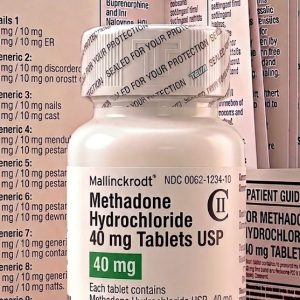
Methadone 40 mg Tablets contain methadone hydrochloride. They are used in Canada as part of treatment for opioid use disorder and, in some cases, for severe pain. This guide explains how to get Methadone 40 mg Tablets in Canada through legal channels only. It covers prescriptions, pharmacies, coverage, safety, and practical steps. All information is general and educational. It does not replace advice from a licensed Canadian healthcare provider.
Always speak with a doctor, nurse practitioner, or pharmacist before starting or changing any treatment. Methadone is a controlled substance under Canadian law. It requires a valid prescription. Note that commercial methadone tablets are more commonly available in strengths such as 1 mg, 5 mg, 10 mg, and 25 mg. A 40 mg dose may be achieved with multiple tablets or other formulations (often liquid concentrates for opioid agonist therapy). Confirm exact availability and formulation with your prescriber and pharmacy.
HOW TO BUY METHADONE 40 MG TABLETS ONLINE IN CANADA
Getting Methadone 40 mg Tablets in Canada starts with a medical assessment. You must see a licensed healthcare provider who can diagnose the condition and decide if this medication is appropriate.
The process usually includes a clinical evaluation, discussion of your history, and a treatment plan that may include counselling or other supports. Once prescribed, you take the prescription to a licensed pharmacy.
Methadone 40 mg Tablets (or equivalent dose) are available only by prescription. There is no legal over-the-counter option. Online sources without a Canadian prescription are not legal and may be unsafe.
Federal requirements for a special exemption to prescribe methadone were removed in 2018. Provincial regulatory colleges still set training and practice standards for opioid agonist therapy in many jurisdictions.
WHERE TO BUY METHADONE 40 MG TABLETS ONLINE IN CANADA
You can obtain Methadone 40 mg Tablets (or equivalent) at licensed community pharmacies across Canada once you have a valid prescription. Some specialized addiction clinics also dispense or coordinate dispensing.
Start by finding a prescriber experienced in opioid agonist therapy or pain management, depending on the indication. Primary care doctors, addiction specialists, and certain nurse practitioners may prescribe methadone after meeting provincial requirements.
After receiving the prescription, take it to a pharmacy that stocks or can order the medication. Many pharmacies that provide opioid agonist therapy primarily stock liquid concentrates (10 mg/mL). Tablet availability should be confirmed in advance.
Hospital outpatient pharmacies and specialized treatment centres may also provide access under medical supervision.
CAN I BUY METHADONE 40 MG TABLETS ONLINE IN CANADA?
Yes, you can get methadone in tablet form in Canada if a licensed prescriber determines it is medically appropriate for you. Methadone is regulated by Health Canada and available as both tablets and oral concentrates.
It is indicated for the treatment of opioid use disorder as part of a comprehensive program and, in some cases, for severe pain when other options are unsuitable. Eligibility depends on clinical assessment.
Provincial rules and clinic policies influence access. Many regions support rapid access to opioid agonist therapy when clinically suitable. Exact 40 mg tablets may not be the most common commercial strength; equivalent dosing is often achieved with available tablet strengths or liquid.
HOW DO I GET A PRESCRIPTION FOR METHADONE 40 MG TABLETS IN CANADA?
To get a prescription for Methadone 40 mg Tablets (or equivalent), book an appointment with a qualified Canadian healthcare provider. Bring your health card and be prepared to discuss your substance use or pain history, medical conditions, and current medications.
The provider will assess whether methadone is suitable. They may use clinical tools and review risks and benefits with you. Induction with methadone requires careful titration because of the risk of toxicity, especially in the first weeks.
If appropriate, the provider writes a prescription that specifies the dose, quantity, formulation, and any witnessed ingestion requirements. Provincial training or mentorship expectations often apply for opioid use disorder prescribing.
Telehealth options exist in some provinces for assessment and ongoing care.
BUY METHADONE 40 MG TABLETS IN CANADA WITHOUT A PRESCRIPTION
Getting prescribed Methadone 40 mg Tablets in Canada involves informed consent and a clear treatment plan. The prescriber explains how the medication works, possible side effects, and the importance of taking it exactly as directed.
Induction is typically slow and closely monitored to reduce the risk of overdose. Daily witnessed dosing at a pharmacy is common at the start. Doses are adjusted based on your response and stability.
Ongoing prescriptions usually require regular follow-up visits. These visits monitor stability, side effects, and overall progress. Urine drug screening or other monitoring often forms part of the care plan.
METHADONE 40 MG TABLETS PRESCRIPTION REQUIREMENTS IN CANADA
Prescription requirements for Methadone 40 mg Tablets follow federal narcotic regulations and provincial professional standards. The prescription must come from an authorized practitioner.
It typically includes the patient’s name, the exact product and strength (or equivalent), quantity, directions, start and end dates, and the prescriber’s details. Many prescriptions for opioid agonist therapy specify daily witnessed doses initially, with possible carries later according to guidelines.
Pharmacists must verify the prescription and may contact the prescriber if anything is unclear. Transfers between pharmacies are possible under current rules in many cases.
WHO CAN PRESCRIBE METHADONE 40 MG TABLETS IN CANADA?
Physicians and, in many provinces, nurse practitioners can prescribe methadone. The federal exemption requirement was removed in 2018. However, provincial regulatory colleges often require specific education, training, or mentorship for prescribing methadone for opioid use disorder.
Addiction medicine specialists, family physicians, and psychiatrists frequently prescribe this medication. Some emergency departments and rapid-access clinics also initiate treatment under protocols.
Always confirm that the provider is licensed in your province and meets local standards for controlled substance prescribing. Requirements vary by jurisdiction.
HOW TO ACCESS METHADONE 40 MG TABLETS LEGALLY IN CANADA
Legal access to Methadone 40 mg Tablets in Canada requires a valid prescription from a Canadian-authorized prescriber and dispensing by a licensed Canadian pharmacy. This is the only lawful route.
Avoid any website, social media offer, or individual claiming to supply the medication without a prescription. Such sources are illegal and potentially dangerous.
If you are already in treatment elsewhere in Canada, your new provider can arrange a transfer of care and prescription. Crossing borders with the medication requires careful attention to regulations.
HOW TO OBTAIN METHADONE 40 MG TABLETS WITH A VALID PRESCRIPTION
Once you have a valid prescription for Methadone 40 mg Tablets (or equivalent), present it at a pharmacy along with identification and your provincial health card. The pharmacist will review the prescription and prepare the medication.
In the early stages of opioid agonist therapy, many patients receive daily witnessed doses. This means you take the dose at the pharmacy under observation. As stability improves, the prescriber may authorize take-home doses (carries) according to provincial guidelines.
Keep the prescription and any carry doses secure. Report lost or stolen medication to both the pharmacy and the prescriber immediately.
WHERE CAN I FILL A METHADONE 40 MG TABLETS PRESCRIPTION IN CANADA?
You can fill a Methadone 40 mg Tablets prescription at most community pharmacies that handle narcotics and opioid agonist therapy. Independent pharmacies, large chains, and some hospital outpatient pharmacies all dispense methadone when stocked or ordered.
Call ahead to confirm availability of tablets versus liquid concentrates and any special procedures for witnessed dosing. Specialized addiction treatment pharmacies often offer coordinated care and extended hours.
If the exact tablet strength is unavailable, the pharmacy and prescriber can discuss equivalent options.
HOW TO REFILL A METHADONE 40 MG TABLETS PRESCRIPTION
Refills for Methadone 40 mg Tablets depend on the original prescription and provincial rules for narcotics. Many prescriptions are written for a limited period and require renewal by the prescriber.
Contact your clinic or doctor before the current supply runs out. Regular follow-up appointments are usually needed for ongoing prescriptions.
Pharmacists can sometimes adapt or extend certain prescriptions under specific provincial authorities or federal exemptions, but this is not automatic. Always check with both the pharmacy and the prescriber.
CAN A PHARMACIST DISPENSE METHADONE 40 MG TABLETS?
Yes, licensed pharmacists in Canada can dispense Methadone 40 mg Tablets (or equivalent) when presented with a valid prescription from an authorized practitioner. They play a key role in verifying the prescription, counselling patients, preparing doses, and monitoring for safety.
Pharmacists frequently provide witnessed dosing, prepare carries, and communicate with the prescriber. Current exemptions allow more flexibility for transfers and certain adaptations in many provinces.
Pharmacists cannot independently prescribe methadone in most situations.
IS METHADONE 40 MG TABLETS AVAILABLE IN CANADA?
Methadone tablets are available in Canada in several strengths (commonly 1 mg, 5 mg, 10 mg, and 25 mg). A precise 40 mg commercial tablet may not be the standard marketed strength for all indications. Equivalent dosing is routinely achieved with available tablets or, more commonly for opioid agonist therapy, with liquid concentrates (10 mg/mL).
Health Canada authorizes methadone products. Both brand and generic versions are marketed. Supply of standard formulations is generally stable. Confirm the exact product with your pharmacy.
IS METHADONE 40 MG TABLETS COVERED BY PROVINCIAL DRUG PLANS?
Coverage for methadone varies by province and territory but is generally available under public drug plans for the treatment of opioid use disorder. Many plans list methadone oral concentrates and certain tablets as benefits.
British Columbia PharmaCare, Ontario Drug Benefit, and plans in other provinces provide coverage for opioid agonist therapy, often with preferred formulations. Private insurance frequently covers the medication as well.
Check your specific plan or ask the pharmacist and prescriber about coverage, any prior authorization, and preferred products. The Non-Insured Health Benefits program also lists relevant options for eligible clients.
METHADONE 40 MG TABLETS AVAILABILITY IN CANADA
Availability of methadone tablets and liquid concentrates in Canada is maintained through the regular pharmaceutical supply chain. Clinics and pharmacies that provide opioid agonist therapy stock or can obtain standard formulations.
If one pharmacy is out of a specific tablet strength, another location or an order usually resolves the issue. Liquid concentrates remain the most common form used in daily witnessed dosing programs.
METHADONE 40 MG TABLETS PATIENT INFORMATION CANADA
Patient information for methadone tablets is provided in the official product monograph and patient medication information leaflet available from Health Canada and the manufacturer. These documents explain proper use, storage, and important warnings.
Take the tablets exactly as directed by your prescriber. Do not crush, chew, or alter them unless specifically instructed. Store the medication securely out of reach of children and others. Never share your medication.
Keep the original packaging and any carry instructions with you when travelling within Canada.
HOW TO TALK TO YOUR HEALTHCARE PROVIDER ABOUT METHADONE 40 MG TABLETS
Prepare for the conversation by writing down your questions and concerns. Be honest about your substance use or pain history, previous treatments, and goals. Ask about expected benefits, possible side effects, induction process, and support services.
Discuss any other medications or health conditions you have. Ask how monitoring will work and what to do if you miss a dose or experience withdrawal or sedation.
A good provider will explain options clearly and involve you in decisions. If you do not feel heard, you can seek a second opinion or a specialized clinic.
WHEN IS METHADONE 40 MG TABLETS PRESCRIBED?
Methadone is prescribed when a healthcare provider diagnoses opioid use disorder or, in selected cases, severe pain that has not responded adequately to other treatments. For opioid use disorder it is used as part of long-term opioid agonist therapy.
Prescribers consider the severity of dependence or pain, previous treatment response, risk of overdose, and the patient’s ability to engage with care. Methadone is a first-line option alongside buprenorphine for many people with opioid use disorder according to current national guidelines.
WHAT CONDITIONS IS METHADONE 40 MG TABLETS PRESCRIBED FOR?
The primary approved uses of methadone in Canada include the treatment of opioid use disorder as part of a comprehensive program and the management of severe pain in certain clinical situations.
It is not a first-line choice for mild or moderate pain. Providers follow clinical guidelines that emphasize evidence-based opioid agonist therapy for people with moderate to severe opioid use disorder.
METHADONE 40 MG TABLETS ELIGIBILITY IN CANADA
Eligibility for methadone depends on a clinical diagnosis and the prescriber’s judgment that the benefits outweigh the risks for that individual. There is no single national checklist beyond the medical assessment.
Factors often considered include current opioid use or pain severity, withdrawal risk, concurrent conditions (including respiratory or cardiac issues), and willingness to participate in treatment and monitoring. Age, pregnancy status, and other medical issues require specialized care.
Provincial programs and clinics may have additional practical criteria for access or dosing protocols.
HOW TO SAFELY USE METHADONE 40 MG TABLETS
Safe use of Methadone 40 mg Tablets requires strict adherence to the prescribed dose and method. Take the medication exactly as directed. Do not increase the dose on your own.
Attend all scheduled appointments and pharmacy visits. Report side effects such as excessive sedation, difficulty breathing, constipation, or unusual heart rhythm symptoms to your provider promptly. Avoid combining the medication with alcohol, benzodiazepines, or other sedatives unless specifically approved by your prescriber, because of the high risk of serious respiratory depression and overdose.
Keep take-home doses locked away. Carry a naloxone kit and ensure people close to you know how to use it. Methadone has a long half-life and risk of accumulation, especially early in treatment.
QUESTIONS TO ASK BEFORE STARTING METHADONE 40 MG TABLETS
Before starting, ask:
- Why is this medication and this dose recommended for me?
- How will induction work and what should I expect in the first days and weeks?
- What side effects are common and which require urgent attention?
- How often will I need to come to the clinic or pharmacy?
- What happens if I miss a dose?
- Are there interactions with my other medications?
- How will coverage work and what will I pay?
- What additional supports (counselling, peer support, housing) are available?
Write the answers down so you can review them later.
FINDING A PHARMACY THAT CARRIES METHADONE 40 MG TABLETS IN CANADA
Ask your prescriber for a recommendation of pharmacies experienced with opioid agonist therapy. Call local pharmacies and ask whether they stock or can order methadone tablets (or liquid concentrates) and whether they provide witnessed dosing.
Many larger chains and independent pharmacies that handle controlled substances dispense methadone. Specialized addiction treatment pharmacies often offer extended hours and coordinated care.
Online pharmacy locators or your provincial college of pharmacists website can help identify options near you.
UNDERSTANDING METHADONE 40 MG TABLETS PRESCRIPTIONS IN CANADA
A typical prescription for Methadone 40 mg Tablets (or equivalent) states the strength or dose, total quantity or duration, daily dose, formulation, and any witnessed or carry instructions. It must be written or authorized by an approved practitioner and meet narcotic documentation standards.
Early prescriptions often require daily pharmacy attendance. As you stabilize, the number of take-home doses may increase according to provincial guidelines and clinical judgment.
Always check the label and the written instructions. If anything is unclear, ask the pharmacist before leaving the pharmacy.
CANADIAN GUIDE TO METHADONE 40 MG TABLETS
This Canadian guide summarizes the legal and practical path to methadone tablets or equivalent dosing. Start with a qualified prescriber, obtain a valid prescription, fill it at a licensed pharmacy, and follow the treatment plan closely.
Support services, public drug coverage, and harm-reduction resources such as take-home naloxone form important parts of care in most provinces. Guidelines from national and provincial bodies emphasize flexible, patient-centred opioid agonist therapy while recognizing the higher early risk of toxicity with methadone compared with buprenorphine.
Stay in regular contact with your care team. Treatment is most effective when medication is combined with appropriate psychosocial supports chosen by the patient.
METHADONE 40 MG TABLETS PRESCRIBING GUIDELINES CANADA
Canadian prescribing guidelines for methadone are set by national clinical practice guidelines and provincial regulatory colleges. Recent updates recognize both methadone and buprenorphine as first-line options for opioid use disorder.
Guidelines cover induction methods, starting doses based on tolerance, monitoring, take-home dose criteria, management of special populations, and recognition of the higher risk of mortality in the first month of methadone treatment. Prescribers are expected to follow evidence-based recommendations while tailoring care to the individual.
Always ask your provider which guidelines they follow and how your treatment plan aligns with them.
CAN I TRANSFER MY METHADONE 40 MG TABLETS PRESCRIPTION?
Yes, in most situations you can transfer a methadone prescription to another licensed pharmacy in Canada. Current federal exemptions and provincial rules generally permit transfers of narcotic prescriptions between pharmacists.
The original pharmacy and the new pharmacy coordinate the transfer. Inform your prescriber of the change so monitoring and future prescriptions remain coordinated. Rules can differ slightly by province, so confirm with both pharmacies.
HOW LONG IS A METHADONE 40 MG TABLETS PRESCRIPTION VALID?
The validity period of a methadone prescription depends on how it is written and on provincial narcotic regulations. Many are issued for a defined number of days or weeks and require renewal for continuation.
Unlike some non-controlled medications, narcotic prescriptions often have tighter limits on refills and total duration. Your prescriber will indicate the intended length on the prescription. Do not assume automatic refills. Book follow-up appointments in advance.
METHADONE 40 MG TABLETS DOSAGE INFORMATION CANADA
Dosage of methadone is individualized by the prescriber. Starting doses are usually low and increased slowly based on tolerance and response. A 40 mg daily dose may be used in some maintenance situations, but exact dosing is determined clinically.
Only your healthcare provider can determine the right dose for you. Never adjust the dose on your own. Follow the exact instructions on the prescription label and any additional directions given by the clinic or pharmacy.
The official product monograph and clinical guidelines provide frameworks, but decisions are patient-specific.
METHADONE 40 MG TABLETS SAFETY INFORMATION FOR CANADIANS
Safety information for methadone includes a significant risk of respiratory depression and overdose, especially during induction, dose increases, or when combined with other sedating substances. The long half-life means effects can accumulate.
Common side effects include constipation, sweating, drowsiness, and nausea. Serious concerns include QT interval prolongation and interactions with other medications. Allergic reactions are possible but less common.
Pregnant or breastfeeding individuals need specialized care. Store the medication securely. Dispose of unused tablets according to pharmacy guidance. Carry naloxone and know the signs of opioid overdose.
Report any suspected side effects to your provider and consider reporting to Health Canada’s Canada Vigilance Program.
CONCLUSION
Methadone remains a highly effective and important medication for the treatment of opioid use disorder and severe pain in Canada. When used as part of a comprehensive plan that includes medical supervision, counselling, and social supports, it can reduce cravings, prevent withdrawal, lower overdose risk, and support long-term recovery and improved quality of life.
Success depends on open communication with a knowledgeable Canadian healthcare provider, strict adherence to the prescribed dose and schedule, avoidance of alcohol and other sedatives, and engagement in psychosocial care. Every person’s journey is unique, and treatment should be tailored to individual needs.
If you or someone you care about is struggling with opioid dependence or severe pain, reach out for help. Effective treatments like methadone are available across Canada, and recovery is possible. Speak with a doctor, pharmacist, or addiction specialist today to discuss whether methadone is an appropriate option.
Reviews
There are no reviews yet.